Five Daily Habits That Drain Your Joy And How to Break Free
Discover five daily habits that drain your joy and mental health. Learn how to break self-sabotaging patterns, practice self-forgiveness, and reclaim inner peace.

You ultimately become what you repeatedly do. That's not just a motivational quote — it's a psychological truth.
The routines you follow each morning, the thought patterns you rehearse each night, and the emotional responses you default to under pressure are quietly shaping your life.
And if those patterns aren't lifting you up, they're pulling you down.
The most damaging daily habits rarely look dramatic. They don't announce themselves with warning signs.
Instead, they hide inside ordinary moments — in how you react to a setback, in the stories you tell yourself before sleep, in the standards you hold when no one is watching.
Over time, these invisible self-sabotaging behaviors erode your peace, deplete your emotional energy, and steal your happiness.
Here are five of the most common daily habits that drain your joy — and what you can do to finally break free from them.
Key Takeaways: Daily Habits That Drain Your Joy

- Focusing on how life "should" be — Rigid expectations create chronic dissatisfaction and blind you to what's actually going well.
- Wanting to control the uncontrollable — Pouring energy into things you can't change leaves you anxious, drained, and stuck.
- Refusing to practice self-forgiveness — Replaying past mistakes keeps you tethered to guilt and blocks personal growth.
- Constantly seeking fleeting contentment — Chasing quick fixes trades long-term fulfillment for short-term numbness.
- Fearing little (necessary) failures — Avoiding risk shrinks your life and quietly replaces growth with stagnation.
Focusing On How Life "Should" Be At Every Turn

Few habits steal your peace of mind as quietly as carrying a rigid mental blueprint of how life is supposed to unfold.
When you measure every moment against an idealized version of reality, you set yourself up for constant frustration.
The promotion should have come sooner.
The relationship should feel easier.
That relentless word — should — filters out everything good and magnifies everything lacking.
This is one of the daily habits that drain your joy most consistently. It creates a negative thought pattern that keeps you focused on gaps instead of gifts.
The fix isn't to abandon all standards. It's to shift how you use that gap between expectation and reality.
Instead of letting frustration consume you, redirect it. Where envy surfaces, practice admiration.
Where worry creeps in, take action.
Where doubt whispers, choose faith — not blind optimism, but a grounded trust in your own emotional resilience.
A small part of your life is shaped by circumstances beyond your control. But the vast majority is shaped by your responses.
A simple mindset shift from "this should be different" to "how can I grow from this" changes everything.
Wanting To Control the Uncontrollable

This habit runs deep. It's the compulsive need to manage outcomes that were never yours to manage — other people's opinions, the economy, or the choices your loved ones make.
When you pour limited energy into things you cannot influence, you leave yourself depleted for the things you can.
This kind of emotional energy management failure leads straight to burnout.
Be selective with your energy today. If you can fix a problem, fix it. If you can't, accept it and consciously redirect your thoughts.
Stop tripping over something behind you or something that only exists inside your head.
Letting go of control isn't weakness. It's one of the most powerful self-compassion practices you can develop.
Some of the most transformative moments in life arrive when you find the courage to release what can't be changed.
When you can no longer change a situation, you're challenged to change yourself — to grow beyond the unchangeable.
That internal growth is the foundation of lasting inner peace and joy.
Learning to distinguish between what you can and cannot control protects your mental health, strengthens your relationships, and frees up enormous reserves of energy for work that actually matters.
Refusing To Practice Self-Forgiveness

Of all the daily habits that drain your joy, this one may cut the deepest.
Many people extend grace freely to friends and strangers, yet refuse to offer themselves the same compassion.
They replay old mistakes on a loop, punishing themselves for decisions made with less wisdom than they have now.
- Forgive yourself for the bad decisions.
- Forgive yourself for the times you lacked understanding or accidentally hurt others. Forgive yourself for being young and reckless.
- Every one of those experiences was a vital lesson — not a life sentence.
- Practicing self-forgiveness for inner peace isn't about excusing harmful behavior. It's about recognizing that who you were then is not who you are now.
Chronic self-blame doesn't make you more responsible.
It makes you anxious, exhausted, and small. It keeps you tethered to a past version of yourself and blocks your personal growth mindset from taking root.
What matters most now isn't your catalogue of past failures. It's your willingness to grow from them. Grant yourself that permission.
Watch how quickly joy returns to spaces that guilt had occupied for far too long.
Constantly Seeking Fleeting Contentment

There are two kinds of contentment — fleeting and enduring.
The fleeting variety comes from moments of instant gratification: the impulse purchase, the mindless scroll, the binge-watched series that numbs the evening.
The enduring variety is built through gradual progress on the things that truly matter.
At a glance, the two look similar. Over time, the difference becomes unmistakable.
Falling into the instant gratification trap is one of the most common self-destructive patterns in modern life.
It trains your brain to avoid discomfort rather than build resilience. It trades long-term fulfillment for short-term relief — and the exchange rate is brutal.
If something entertains you now but will hurt or bore you later, it's a distraction. Don't settle for it.
Breaking this pattern starts with studying your positive daily routines honestly.
Where does your time actually go? What activities leave you feeling energized, and which leave you hollow?
When you redirect even small pockets of time from distractions toward meaningful pursuits, the impact on your emotional well-being compounds quickly.
Building better habits around how you spend your hours is one of the most effective ways to stop draining your happiness day after day.
Fearing Little (Necessary) Failures

No habit paralyzes joy more effectively than the fear of getting things wrong. It disguises itself as caution or perfectionism, but underneath it's simply avoidance.
Overcoming fear of failure is essential if you want to live fully — yet so many people let this fear dictate their daily choices.
Here's the truth: sometimes you have to fail dozens of times to succeed.
No matter how many mistakes you make or how slowly you progress, you are still far ahead of everyone who isn't trying.
Every idea that doesn't work is a stepping stone to the one that does. Failure isn't falling down.
Failure is staying down when you have the choice to get back up.
When fear of small, necessary failures controls your daily habits:
- You shrink your life to fit inside your comfort zone.
- You stop taking creative risks.
- You stop having hard conversations.
- You stop reaching for opportunities.
Over time, the absence of failure becomes the absence of growth — and that quiet stagnation is among the most toxic habits for mental health.
So get back up. Start the project. Send the message.
Good things often fall apart in the short term so better things can fall together in the end.
Conclusion: Daily Habits That Drain Your Joy

None of these five daily habits that drain your joy will disappear overnight — and that's perfectly fine. The goal isn't perfection. It's mental health awareness.
Once you spot the pattern, you can interrupt it. Once you interrupt it, you can replace it with something healthier.
- Choose one habit from this list that resonates most.
- Write down how it shows up in your life right now.
- Then write down one small daily shift to counteract it.
That's all it takes — one honest observation and one intentional step.
You can't move forward if you keep going back. And you absolutely deserve to move forward.
#dailyhabitsthatdrainyourjoy #mentalhealth #selfforgiveness #personalgrowth #innerpeace #emotionalresilience #mindsetshift #buildingbetterhabits
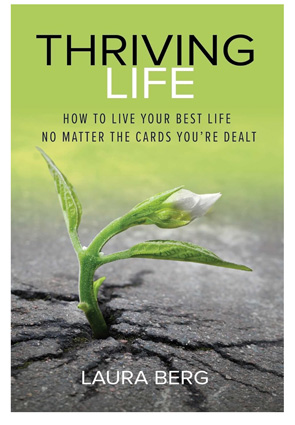
CLICK HERE to discover more about this book.
Filed Under: Daily Habits That Drain Your Joy
Recent Articles


-
5 Hard Truths About Life That Will Set You Free
Feb 14, 26 06:33 AM
 Discover 5 hard truths about life that lead to personal freedom and authentic living. Learn how accepting reality creates growth and lasting transformation.
 -
One Decision Away from a Different Life: How to Change Everything
Feb 13, 26 09:41 AM
 Discover how you are always one decision away from a different life. Learn the power of bold choices, overcome fear, and transform your future starting today.
 -
5 Daily Habits That Drain Your Joy And How To Reclaim Your Peace
Feb 12, 26 04:42 PM
Discover five daily habits that drain your joy and mental health. Learn how to break self-sabotaging patterns, practice self-forgiveness, & reclaim inner peace.




Copyright © 2023-2026 NewLifeUplift.com All Rights Reserved
My site contains affiliate products, from which I get a small commission if you make a purchase. I am a participant
in the Amazon Services LLC Associates Program, an affiliate advertising program designed to provide a means
for sites to earn advertising fees by advertising and linking to Amazon.com. As an Amazon Associate, I earn from qualifying purchases.