How to Create A Zen Writing Room
For Women
Discover how to create a zen writing room for women with our step-by-step guide. Transform your space into a peaceful, productive sanctuary today.

As a woman writer, you know the struggle of finding creative focus amid daily chaos.
Maybe you're drafting your novel at the kitchen table between meal prep sessions.
Perhaps you're squeezing in writing time in a cluttered spare room that doubles as storage.
Your environment directly impacts your creativity, productivity, and peace of mind.
Learning how to create a zen writing room for women can transform your creative practice entirely.
A dedicated zen space isn't just about aesthetics. It's about honoring your craft and giving yourself permission to prioritize your creative work.
When you design a room specifically for writing, you create a sanctuary that signals to your brain it's time to focus and create.
This guide will walk you through every step of creating your ideal zen writing room.
You'll discover practical solutions that work for any budget and space constraint.
Whether you have an entire spare bedroom or just a quiet corner, you can build a peaceful writing sanctuary.
Let's explore how to transform your space into a haven for creativity and focused work.
Key Takeaways

Here are the five most important guidelines for creating your zen writing room:
- Simplify and declutter - Remove everything except writing essentials to minimize visual distractions.
- Prioritize natural light - Position your desk near windows or invest in full-spectrum lighting for mood and energy.
- Choose calming colors - Stick to soft neutrals, sage greens, or light blues to promote tranquility.
- Engage multiple senses - Incorporate gentle scents, soft textures, and minimal sound for holistic calm.
- Make it sacred - Designate this space exclusively for writing to train your mind for creative focus.
Why Women Writers Need A Dedicated Zen Space
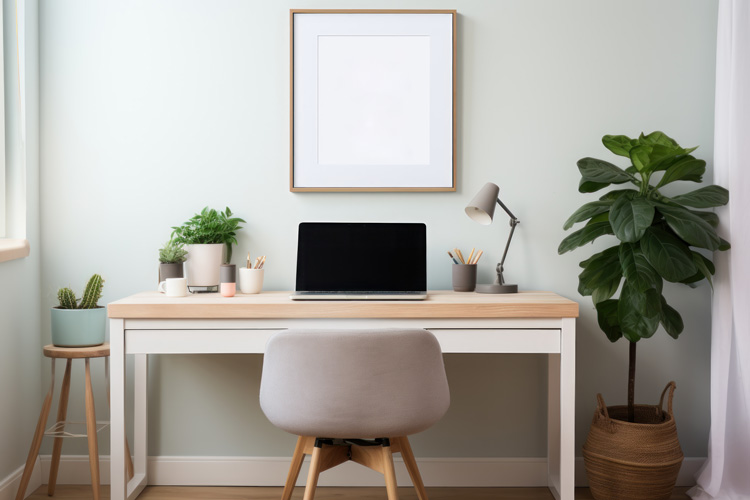
The Connection Between Environment and Creativity
Your physical environment shapes your mental state more than you might realize.
Research consistently shows that cluttered, chaotic spaces increase cognitive load and diminish creative thinking.
For many women who juggle multiple roles, the mental burden of visual disorder can be particularly draining.
A zen writing space works because it removes competing stimuli. When your eyes have fewer objects to process, your mind has more energy for creative work.
The psychology of sacred space is powerful too. When you dedicate a specific area solely to writing, you create a mental trigger that helps you transition into creative flow more easily.
Benefits of a Zen Writing Room
Creating a zen writing room offers remarkable benefits beyond just having a nice workspace.
You'll experience increased focus and productivity because your environment supports concentration rather than fragmenting it.
The calming atmosphere naturally reduces stress and anxiety, allowing ideas to flow more freely.
Many women report achieving creative flow states more quickly in their dedicated zen spaces.
The clear physical boundary helps separate writing time from household responsibilities and daily demands.
Perhaps most importantly, having your own writing sanctuary reinforces your identity as a serious creative professional. You deserve this space.
Essential Elements Of A Zen Writing Room

Minimalist Furniture and Layout
The foundation of any zen writing room is simplicity.
Start with a clean, simple desk measuring between 48 and 60 inches in length. This gives you adequate workspace without overwhelming your room.
Your desk should be sturdy but visually light, with clean lines and minimal ornamentation.
Invest in an ergonomic, comfortable chair. You'll spend hours in this seat, so quality matters here more than anywhere else.
Choose neutral upholstery that complements your calming color scheme.
Beyond your desk and chair, limit additional furniture to one small storage piece if absolutely necessary.
What should you exclude?
Avoid bulky bookcases, extra seating, or decorative furniture that serves no purpose. Each item in your zen writing room should justify its presence.
Open space is essential for the peaceful, uncluttered feeling that defines zen design.
Calming Color Palette
Color profoundly affects mood and mental state.
For your zen writing room, choose colors that promote tranquility and focus.
Soft whites and creams create a clean, peaceful backdrop that reflects natural light beautifully. These neutrals never feel cold when you add warm lighting and natural textures.
Sage green and muted earth tones connect your space to nature.
Light blues and lavenders have scientifically proven calming effects on the nervous system. Warm grays offer sophistication while maintaining serenity.
The key is choosing one primary color and limiting yourself to one or two subtle accent tones at most.
Avoid bright reds, harsh oranges, or heavy dark colors in your writing sanctuary. These energizing or dramatic hues work against the peaceful atmosphere you're creating.
Your color palette should whisper, not shout.
Natural Light And Lighting Solutions
Natural light is the most important element in any zen space.
Position your desk near a window whenever possible, ideally facing perpendicular to avoid screen glare. N
orth-facing windows provide the most consistent, gentle light throughout the day without harsh direct sun.
When natural light isn't abundant, create layers of artificial lighting.
Use full-spectrum bulbs that mimic daylight to support your mood and energy levels.
A quality adjustable desk lamp gives you task lighting exactly where you need it.
Consider adding a Himalayan salt lamp for a warm, peaceful glow during evening writing sessions.
Avoid harsh overhead fluorescent lights at all costs. They drain energy and create an institutional feeling that kills creativity.
If your room has fluorescent fixtures, replace them or simply don't use them. Soft, warm lighting invites you to settle in and write for hours.
Sound and Silence Considerations
Sound management often gets overlooked when creating a zen writing room.
Some writers need complete silence while others prefer gentle background noise.
A white noise machine can mask household sounds without being distracting. Nature sounds like rain or ocean waves create a peaceful auditory backdrop.
If you live in a noisy environment, invest in quality noise-canceling headphones.
These can be transformative for maintaining focus. Some writers find that instrumental music enhances their creative flow.
Experiment to discover what works best for your writing process, then make it easy to recreate that optimal sound environment.
Step-by-Step Guide: How to Create a Zen Writing Room for Women

Step 1: Choose Your Space
You don't need a large area to create an effective Zen writing room. A spare bedroom offers ideal privacy and space, but many other options work beautifully.
Consider converting a corner of your master bedroom with a room divider. Walk-in closets can transform into cozy writing nooks with surprising ease.
Attic spaces and finished basements provide natural separation from household activity.
Even a 6x6 foot corner can become your sacred writing sanctuary.
The key criteria are quiet, some form of door or curtain for privacy, and access to natural light if possible. Choose the most peaceful, least-trafficked spot in your home.
Step 2: Declutter and Simplify
Start by completely emptying your chosen space. Remove everything, then bring back only essential items one by one.
This allows you to make intentional choices rather than defaulting to accumulated clutter.
Apply minimalist principles ruthlessly during this process.
Your essential items list is surprisingly short.
You need your writing desk, your chair, your computer or notebook, and one or two carefully chosen inspirational items.
One small plant adds life without creating visual noise.
Everything else is optional at best and distracting at worst.
If you need to store writing supplies or reference books, choose a single small storage solution with doors to hide contents.
Don't forget digital decluttering, too. Make sure to organize your computer desktop and files so your digital workspace mirrors your physical zen space.
Step 3: Select Calming Colors
Paint transforms a space more dramatically than any other single change. Choose your primary calming color based on the mood you want to cultivate.
Soft sage green promotes creativity and connection to nature.
Pale blue encourages tranquility and clear thinking. Warm cream creates a cozy, nurturing atmosphere.
You don't have to paint the entire room if that feels overwhelming. A single accent wall behind your desk creates a focal point and changes the energy significantly.
Removable wallpaper offers another option for renters or those who like to change their environment seasonally.
Keep your color scheme simple with maximum two accent colors. This restraint is what creates the zen feeling.
Your writing room should feel like a visual exhale, not a stimulating gallery.
~ Lianna Hanes, Therapist, Newport OR
Step 4: Optimize Lighting
Lighting design deserves careful attention because it affects both functionality and ambiance.
Position your desk perpendicular to your window to capture natural light while avoiding screen glare.
This placement gives you the benefits of daylight without the drawbacks.
Create three layers of lighting for versatility.
Natural light serves as your primary source during daytime. Soft ambient lighting from a floor lamp or wall sconce provides overall illumination.
Your adjustable desk lamp offers focused task lighting exactly where you need it for reading and detailed work.
Install dimmer switches if possible to control light intensity based on time of day and your mood.
Warm light temperatures (2700-3000K) feel more relaxing than cool white.
Test different bulbs to find what feels most comfortable for extended writing sessions.
Step 5: Add Sensory Elements
A truly zen writing room engages multiple senses in subtle, supportive ways.
Add tactile comfort with a soft area rug beneath your feet.
A cozy throw draped over your chair provides warmth and texture. Choose a smooth desk surface that feels pleasant under your hands.
Scent powerfully influences mood and can trigger creative states.
Use an essential oil diffuser with lavender for calm, peppermint for focus, or eucalyptus for mental clarity. Natural soy candles work beautifully too. Avoid synthetic fragrances that can cause headaches or feel artificial.
Consider gentle sound elements like small wind chimes near a window or a tabletop fountain.
These create peaceful background ambiance without demanding attention.
The key with all sensory elements is intentionality and minimalism. Each element should enhance your zen experience without overwhelming it.
Zen Decor Ideas For Women Writers

Inspirational Art and Quotes
Your zen writing room needs some inspiration, but resist the urge to cover your walls.
Choose one beautiful framed quote from your favorite author. Select words that genuinely resonate with your creative journey.
Abstract art in your chosen calming colors adds visual interest without narrative distraction.
Personal affirmation cards can sit on your desk in a small holder.
A carefully curated mini vision board works if you keep it small and focused.
Remember the golden rule: quality over quantity.
Each decorative element should earn its place by truly inspiring you, not just filling wall space.
Plants and Natural Elements
Living plants breathe life into your zen writing room while purifying the air.
Snake plants require minimal care and tolerate low light beautifully. Pothos vines add graceful greenery and practically thrive on neglect.
Peace lilies offer elegant white blooms and air-purifying benefits.
Small succulents bring sculptural beauty without maintenance demands.
Incorporate other natural materials throughout your space too. Wooden desk accessories ground the energy.
A smooth stone paperweight or crystal adds natural texture.
Bamboo organizers maintain the zen aesthetic while keeping supplies tidy.
These natural elements create a vital connection to the earth. This connection supports creativity and helps you feel grounded during challenging writing sessions.
Aromatherapy and Scent
Strategic use of scent can enhance your writing practice profoundly. Create custom essential oil blends for different writing needs.
Mix rosemary and lemon for sharp focus during editing sessions. Blend lavender with chamomile when you need to calm writing anxiety. Combine orange with frankincense to spark creativity for new projects.
Choose between diffusers, candles, or incense based on your preferences.
- Electric diffusers offer easy control and safety.
- Natural soy candles provide flickering light along with fragrance.
- Incense creates a ritual feeling that some writers love.
Whatever method you choose, stick with natural scents and avoid synthetic fragrances that can feel harsh or chemical.
Scent becomes part of your writing ritual. Your brain will begin associating specific aromas with creative flow, making it easier to transition into writing mode.
Textiles and Comfort
Soft textiles add warmth without clutter. A plush area rug under your desk defines your writing zone and feels luxurious underfoot.
Choose neutral tones or very subtle patterns that don't compete for visual attention.
A meditation cushion tucked in one corner invites brief mindfulness breaks between writing sessions.
Drape a cozy throw over the back of your chair for chilly mornings.
Natural fiber window treatments like linen or cotton filter light beautifully while maintaining the organic zen aesthetic.
If you use patterns in textiles, keep them minimal and nature-inspired. The goal is comfort that supports rather than distracts.
Creating Your Writing Ritual In Your Zen Space
Your zen writing room becomes even more powerful when paired with consistent rituals.
Develop an opening ritual that signals to your brain it's time to create.
- Light a candle or incense as you enter your space.
- Take three deep, centering breaths while looking around your peaceful room.
- Set a clear intention for your writing session.
- Some writers benefit from a brief two to three-minute meditation before diving into their work.
- Others prefer a quick gratitude practice or goal review.
The specific ritual matters less than the consistency. Your brain will learn to associate these actions with creative focus.
During your writing time,
- Put your phone on airplane mode or in another room entirely.
- Close your door or hang a "writing in progress" sign that family members learn to respect.
- Use a timer for focused writing sprints if the Pomodoro technique works for you.
Practice single-tasking ruthlessly in this sacred space.
When you finish writing, create a closing ritual too.
- Tidy your desk so it's inviting for your next session.
- Spend two minutes journaling about your progress or insights.
- Blow out your candle mindfully.
- Express gratitude for your creative practice and this beautiful space.
These rituals train your mind to enter and exit creative flow states smoothly. Your zen writing room becomes a trigger for productivity simply by showing up consistently.
Budget-Friendly Zen Writing Room Ideas

Creating a zen writing room doesn't require significant financial investment. You can achieve remarkable results with very little money by focusing on the principles of simplicity and intentionality.
For under $50, start by decluttering completely. This costs nothing but time and creates the biggest impact.
- Rearrange existing furniture to better serve your needs.
- Create DIY wall art by printing favorite quotes in simple frames from discount stores.
- Transform a thrift store desk with a coat of paint in your chosen calming color.
- Paint a sample-size accent wall for under $10.
- Dollar stores offer surprising organizational gems like simple trays and containers.
With a budget under $150, expand your options significantly.
- Browse Facebook Marketplace or Craigslist for quality used desks.
- Invest in an affordable task lamp with good reviews.
- Build a small collection of easy-care plants from your local nursery.
- Purchase a basic essential oil diffuser and a few oils.
- Add an inexpensive area rug to define your space.
- Simple curtains or a room divider screen create privacy without major renovation.
If you can stretch to $300,
- Prioritize a quality ergonomic chair as your investment piece. Your back and neck will thank you after hours of focused writing.
- Complete a full room paint job in your perfect zen color.
- Upgrade to better lighting with multiple sources.
- Add several plants to create a lush, natural feeling. Include a comfortable meditation cushion for breaks.
The truth is that minimalism naturally supports budget-consciousness. When you commit to keeping only essential items, you spend less overall while creating more peace.
Common Mistakes To Avoid When Creating Your
Zen Writing Room

Many women make predictable mistakes when designing their zen writing space. Learn from these common missteps to save yourself time and frustration.
Over-decorating ranks as the most frequent error.
You love inspirational quotes, so you hang twenty of them. You adore plants, so you crowd your desk with greenery. Too many good things become visual chaos. Remember that in zen design, less genuinely creates more peace and focus.
Ignoring ergonomics is a painful mistake you'll regret after a few long writing sessions.
An uncomfortable chair or improperly positioned desk causes physical strain that kills creativity. Your desk should allow your arms to rest at right angles when typing. Your monitor should sit at eye level. These details matter enormously for sustainable writing practice.
Using your writing space for multiple purposes dilutes its power. When your "zen writing room" also serves as a craft room, guest room, or storage area, you lose the mental association between space and creative work.
The room's energy becomes confused. Protect your writing sanctuary by keeping it dedicated to your creative practice alone.
Harsh or inadequate lighting creates unnecessary obstacles. Fluorescent lights drain energy and motivation. Dim lighting strains your eyes and causes headaches. Invest time in getting your lighting right because you'll spend hours in this space.
Finally, some writers create sterile spaces in pursuit of minimalism.
Zen doesn't mean devoid of personality. Include one or two meaningful items that spark joy and inspiration.
Balance minimalism with warmth by adding natural textures and personal touches.
Your zen writing room should feel like a peaceful sanctuary, not a cold waiting room.
Frequently Asked Questions About Zen Writing Rooms

Q: What colors are best for a zen writing room?
Soft neutrals like warm white, cream, and beige work beautifully for zen spaces. Calming colors like sage green, light blue, or soft lavender promote tranquility and focus. These gentle hues reduce visual stimulation while creating a peaceful atmosphere. Choose one primary color and limit accent colors to maintain the zen aesthetic.
Q: How much does it cost to create a zen writing room?
You can create a functional zen writing room for under $100 by decluttering, rearranging existing furniture, and adding minimal decor. A more complete transformation typically ranges from $200 to $500 including paint, improved lighting, and a quality chair. The minimalist approach naturally keeps costs manageable.
Q: What furniture do I need for a zen writing space?
Essential furniture includes a simple desk around 48 to 60 inches in length and an ergonomic chair. Add one small storage piece only if absolutely necessary. Avoid bulky bookcases, extra seating, or decorative furniture that creates visual clutter. Each piece should serve a clear functional purpose.
Q: How can I make a small space feel zen?
Use light colors to make your space feel larger and more open. Maximize whatever natural light you have available. Keep furniture minimal and choose pieces with clean lines. Add a small mirror to create depth and reflect light. Maintain strict decluttering standards since small spaces show clutter more obviously. Even a 6x6 foot corner can become a peaceful zen writing nook with intentional design.
Q: What plants are best for a writing room?
Low-maintenance options work best so plant care doesn't interfere with writing time. Snake plants, pothos, peace lilies, and small succulents are ideal choices. These varieties purify air, add natural beauty, and tolerate varying light conditions. They require minimal watering and attention, making them perfect companions for focused creative work.
Q: How do I reduce distractions in my writing room?
Remove all non-essential items from your space during setup. Turn your phone to airplane mode or leave it in another room during writing sessions. Close your door and use a "writing in progress" sign. Consider noise-canceling headphones or white noise for sound management. Train family members to respect your writing time through consistent boundaries. The physical design of your zen space naturally minimizes visual distractions.
Q: Can I create a zen writing room if I don't have a spare room?
Absolutely! Many successful zen writing spaces exist in converted closets, bedroom corners, or sectioned-off areas using room dividers. Attic nooks and basement corners work beautifully too. The key is dedication and intentional design, not square footage. A small, well-designed zen space often works better than a large cluttered room.
Conclusion: How to Create a Zen Writing Room for Women

Now you know how to design a zen writing space that supports your creative practice at every level.
You've learned the essential elements, step-by-step implementation process, and common pitfalls to avoid.
This knowledge empowers you to transform any space into a peaceful writing environment.
The benefits extend far beyond aesthetics. Your mindful writing space will increase your productivity and focus dramatically.
You'll experience deeper creative flow states more easily.
Most importantly, you'll have a sacred space that honors your identity as a writer and protects your creative time from daily demands.
You can achieve this transformation on any budget.
- Start today by decluttering your chosen space completely. This single step costs nothing and creates immediate impact.
- Then choose one additional element to implement this week, perhaps a calming paint color or improved lighting for your stress free home office.
Your writing deserves this dedicated space. You deserve this peaceful sanctuary.
Small, intentional changes create profound creative transformation over time.
Step into your zen writing room and watch your creative practice flourish.
Hashtags: #zenwritingroom #womenwhowrite #writingspace #mindfulworkspace #femalewriters #homeofficeinspo #creativespacesforwomen #writersanctuary
Inexpensive Ways To Create More Zen In Your Home
Daily Habits To Create A Zen Vibe In Your Home
Chromotherapy And Crystal Suncatchers
How To Create A Zen Home With A Diffuser
Chakra Balancing With Crystal Suncatchers
Benefits Of Crystal Suncatchers
Spiritual Rewards Of Crystal Suncatchers
Create A Zen Home With Crystals And Aromatherapy
Crystals And Aromatherapy For Spiritual Healing
Aromatherapy Enhances Creativity For Women Writers
How To Create A Zen Home Without Breaking The Bank
Using Throw Blankets For Stress Relief And Relaxation
Filed Under: How to Create a Zen Writing Room for Women
Recent Articles


-
5 Hard Truths About Life That Will Set You Free
Feb 14, 26 06:33 AM
 Discover 5 hard truths about life that lead to personal freedom and authentic living. Learn how accepting reality creates growth and lasting transformation.
 -
One Decision Away from a Different Life: How to Change Everything
Feb 13, 26 09:41 AM
 Discover how you are always one decision away from a different life. Learn the power of bold choices, overcome fear, and transform your future starting today.
 -
5 Daily Habits That Drain Your Joy And How To Reclaim Your Peace
Feb 12, 26 04:42 PM
Discover five daily habits that drain your joy and mental health. Learn how to break self-sabotaging patterns, practice self-forgiveness, & reclaim inner peace.




Copyright © 2023-2026 NewLifeUplift.com All Rights Reserved
My site contains affiliate products, from which I get a small commission if you make a purchase. I am a participant
in the Amazon Services LLC Associates Program, an affiliate advertising program designed to provide a means
for sites to earn advertising fees by advertising and linking to Amazon.com. As an Amazon Associate, I earn from qualifying purchases.